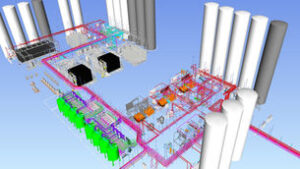
spools generation refers to the detailed process of dividing a piping system into smaller, manageable sections called spools, which are fabricated and assembled before installation. These spools are typically prefabricated in workshops to ensure accuracy, reduce on-site labor, and improve overall efficiency in complex industrial projects. By breaking down large piping systems into smaller units, engineers can streamline construction and ensure better quality control.
In industrial engineering environments such as oil and gas plants, power stations, and manufacturing facilities, spool drawings serve as essential documents for fabrication teams. These drawings include dimensions, welding details, and material specifications, making them crucial for precise execution. The concept has become a standard practice in modern engineering workflows due to its ability to reduce errors and optimize installation timelines.
Importance of Spools Generation in Engineering Projects
The role of spools generation in industrial projects goes beyond simple fabrication convenience, as it directly impacts project timelines, cost efficiency, and safety standards. By preparing spools off-site, companies can significantly reduce delays caused by environmental conditions or on-site constraints. This leads to faster project completion and improved coordination between design and construction teams.
Another critical advantage lies in enhanced quality assurance, as spools manufactured in controlled environments undergo strict inspection procedures. This minimizes the chances of defects and ensures compliance with engineering standards and regulations. For companies aiming to deliver high-quality infrastructure, adopting this method becomes not just beneficial but essential.
Role of Engineering Consultancies in Spool Design
Specialized firms like Little P.Eng. Engineering play a significant role in delivering precise spool generation solutions for industrial systems. Their expertise in piping design and stress analysis ensures that every spool meets structural integrity requirements and operational efficiency standards. By integrating advanced simulation tools, they help clients achieve optimal results in complex engineering environments.
These consultancies also bridge the gap between conceptual design and practical implementation by providing detailed documentation and technical support. Their involvement ensures that spools are not only fabricated correctly but also installed seamlessly within the overall system. This holistic approach is vital for industries where precision and safety are non-negotiable.
Step by Step Process of Spools Generation
The process of spools generation begins with the development of detailed piping and instrumentation diagrams, which define the system layout and specifications. Engineers then use specialized software to convert these designs into spool drawings, ensuring that each segment is accurately measured and aligned with project requirements. This stage requires careful attention to detail to avoid costly errors later.
Once the design phase is complete, fabrication teams use the drawings to manufacture the spools in controlled environments. Each spool is assembled, welded, and tested before being transported to the site for installation. This systematic approach ensures efficiency, reduces rework, and enhances overall project quality.
Tools and Technologies Used in Spools Generation
Modern spools generation relies heavily on advanced software tools such as 3D modeling and CAD systems to create accurate designs and simulations. These technologies allow engineers to visualize the entire piping system, identify potential clashes, and optimize spool layouts before fabrication begins. This digital approach significantly improves precision and reduces errors.
Automation and digital integration also play a crucial role in improving productivity and consistency. By using advanced tools, engineering teams can generate detailed reports, track progress, and ensure that every spool meets the required standards. This technological advancement has transformed the way industrial projects are planned and executed.
Benefits of Spools Generation in Industrial Systems
The adoption of spools generation offers numerous advantages that contribute to the success of industrial projects. One of the key benefits is the reduction of on-site labor, which not only lowers costs but also enhances safety by minimizing exposure to hazardous environments. Prefabrication also ensures better quality control, as spools are produced in controlled conditions.
Another major benefit is improved project coordination, as different teams can work simultaneously on design, fabrication, and installation. This parallel workflow accelerates project timelines and ensures smoother execution. For industries dealing with complex systems, these advantages make spool generation an indispensable practice.
Practical Recommendations for Effective Spool Generation
To achieve the best results in spools generation, engineers should focus on accurate design and thorough planning from the initial stages of the project. Ensuring clear communication between design, fabrication, and installation teams is essential for avoiding misunderstandings and delays. Regular quality checks and adherence to standards also play a vital role in maintaining project integrity.
- Use advanced software tools for precise modeling and clash detection
- Maintain detailed documentation for every spool component
- Conduct regular inspections during fabrication and installation
In addition, investing in skilled professionals and reliable engineering consultancies can significantly enhance project outcomes. Companies that prioritize quality and efficiency in spool generation are more likely to achieve long-term success in their operations.
Legal and Regional Considerations in Spools Generation
Engineering projects involving spools generation must comply with local and international standards to ensure safety and reliability. Regulations related to welding, material selection, and pressure testing vary by region, making it essential for companies to stay updated with relevant codes. Compliance not only ensures safety but also protects organizations from legal liabilities.
In regions with strict industrial regulations, proper documentation and certification are mandatory for every stage of the spool generation process. Engineering consultancies often assist clients in navigating these requirements, ensuring that all aspects of the project meet legal standards. This proactive approach helps prevent delays and ensures smooth project execution.
Integration of Spools Generation with Modern Engineering Services
The integration of spools generation with services such as stress analysis and structural engineering has revolutionized industrial project execution. Firms like Little P.Eng. Engineering combine these disciplines to deliver comprehensive solutions that address both design and operational challenges. This integrated approach ensures that every component functions efficiently within the system.
To explore professional solutions in spools generation, you can visit and discover how industry experts are transforming engineering workflows. By leveraging advanced technologies and expertise, companies can achieve higher efficiency and reliability in their projects.
Future Trends in Spools Generation
The future of spools generation is shaped by advancements in automation, digitalization, and artificial intelligence. Emerging technologies are enabling engineers to create more accurate designs, predict potential issues, and optimize processes in real time. These innovations are expected to further enhance efficiency and reduce costs in industrial projects.
Sustainability is also becoming a key focus, with companies adopting eco-friendly practices in spool fabrication and installation. By reducing material waste and energy consumption, the industry is moving towards more sustainable engineering solutions. This shift not only benefits the environment but also aligns with global regulatory trends.
Conclusion
spools generation has become a cornerstone of modern industrial engineering, offering unmatched efficiency, precision, and reliability. From design to installation, this process ensures that complex piping systems are executed with minimal errors and maximum efficiency. Its importance continues to grow as industries demand higher standards of performance and safety.
For businesses aiming to optimize their engineering processes, partnering with experts like Little P.Eng. Engineering can make a significant difference. By adopting advanced spool generation techniques and adhering to best practices, companies can achieve successful project outcomes and maintain a competitive edge in the industry.